Turning Training Into Measurable Transformation
Our pilot program is already supporting women to move from uncertainty to consistent earning and market confidence.
Community Outcomes
The value of every training session, loaned machine, and supportive connection we build together
Women Trained
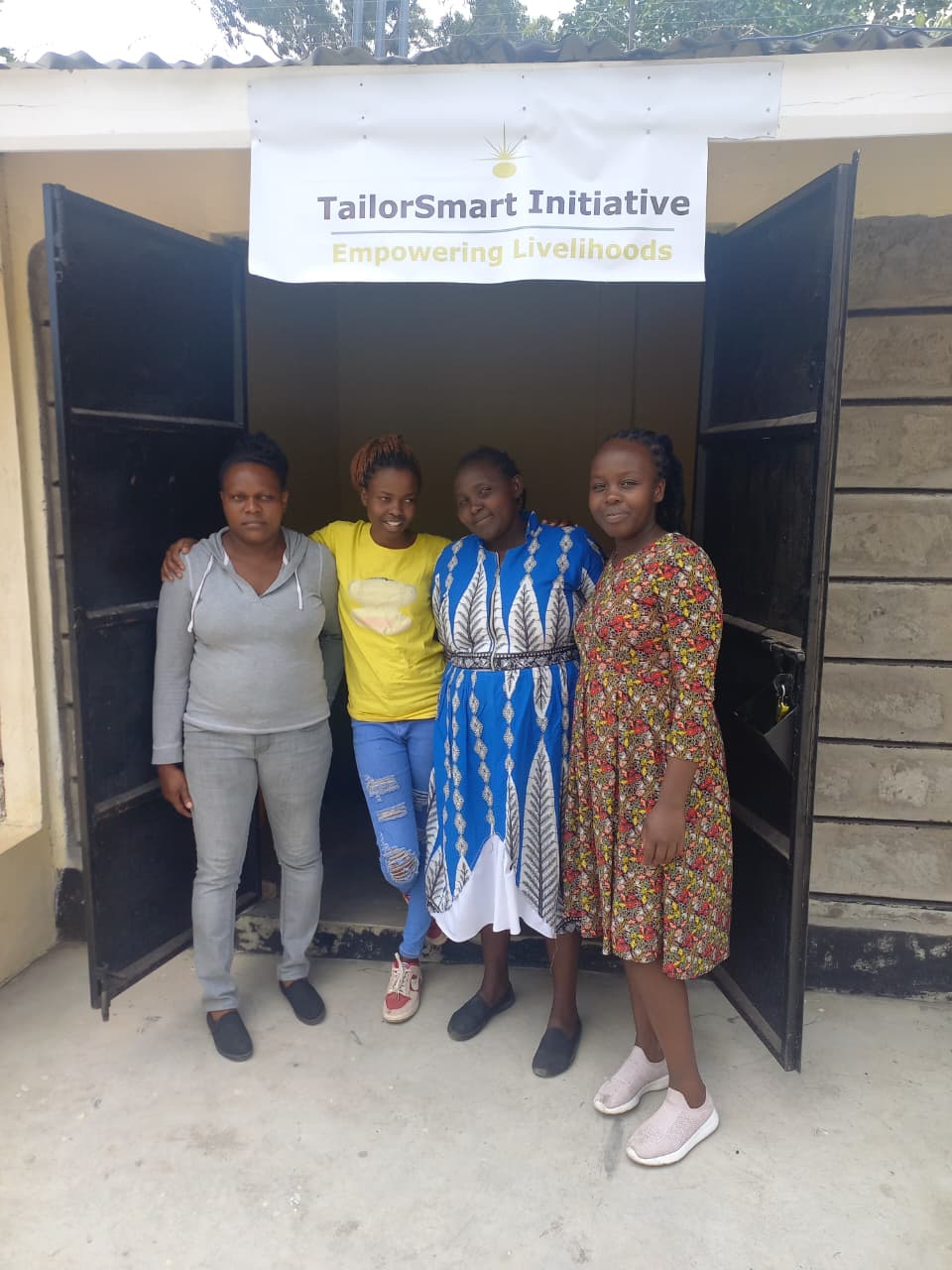
Four women completed the tailoring and business training program.
Sewing Machines Distributed
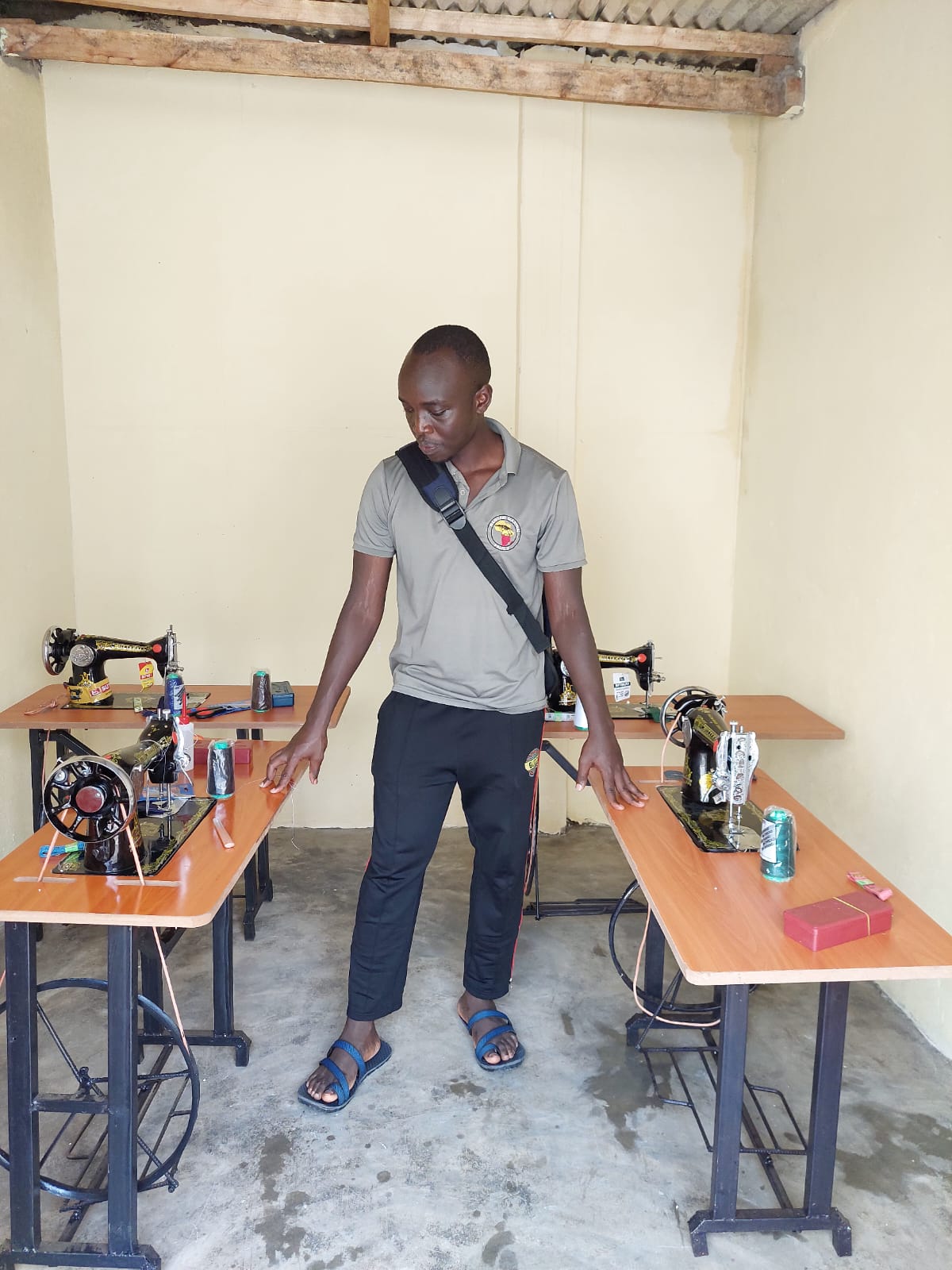
Each beneficiary received a machine and starter materials to launch immediately.
Training Hours Delivered
Structured training was delivered over four weeks with daily hands-on practice.
Households Reached
At least twenty families benefited indirectly from the new income streams.
Contributing to Global Goals
Our initiative advances the UN Sustainable Development Goals in direct and meaningful ways
1
No Poverty
Women earn stable income instead of relying on daily labor, breaking poverty cycles.
5
Gender Equality
Women gain economic power, decision-making roles, and leadership in their communities.
8
Decent Work & Growth
Professional tailoring provides dignified work with sustainable income potential.
10
Reduced Inequalities
We reduce socioeconomic disparities through skill transfer and business opportunity access.
Progress in Motion
From preparation to launch, these moments show how TailorSmart moves ideas into action
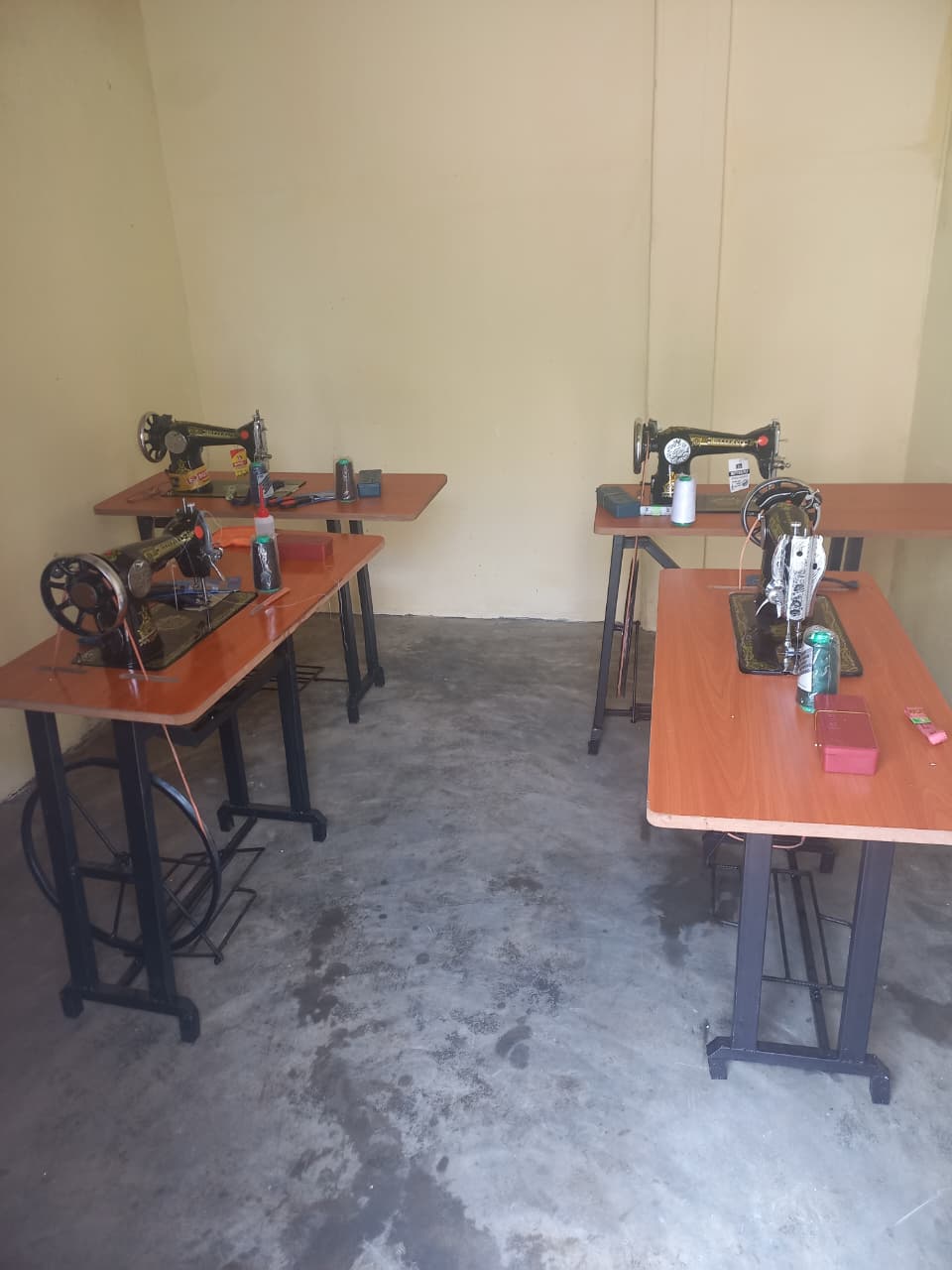
Equipment Delivered
Professional sewing machines and tools arrive for our training program, ready to equip a new cohort of women entrepreneurs.
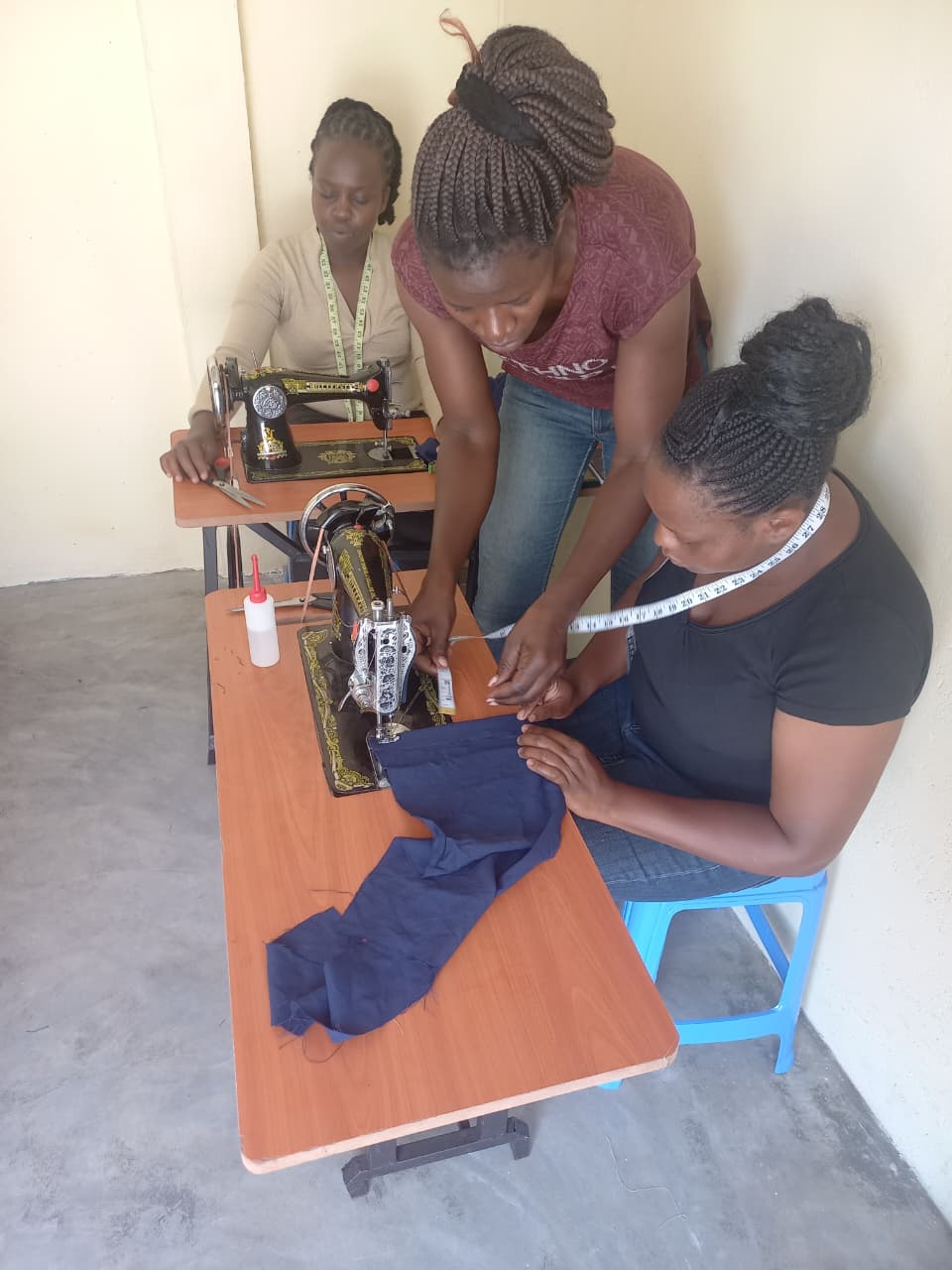
Hands-On Learning
Participants master tailoring and pattern work through intensive, practical workshops designed by industry professionals.
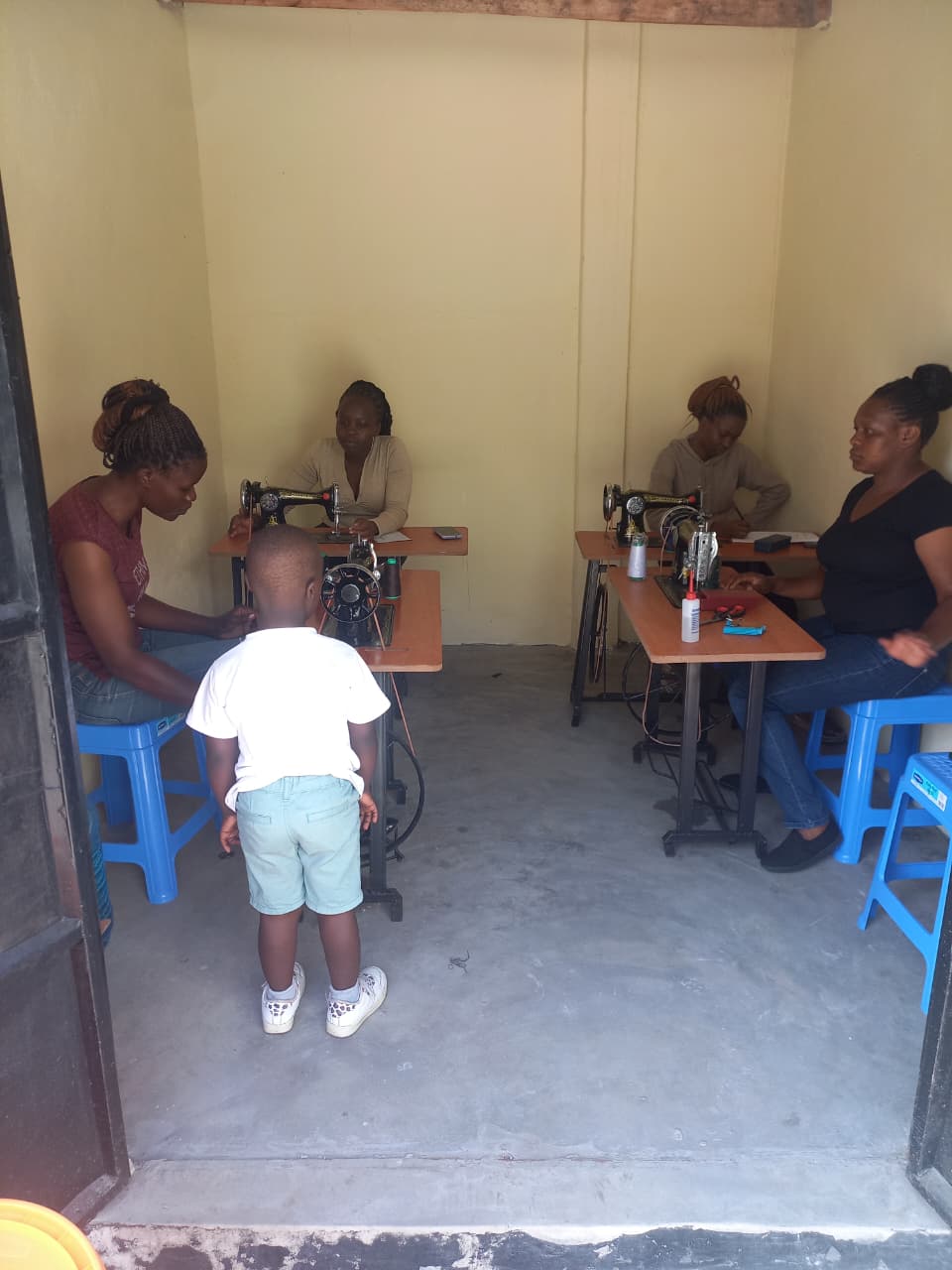
Graduates Receive Kits
Upon completion, each graduate leaves with a complete startup kit ready to launch their independent tailoring enterprise.
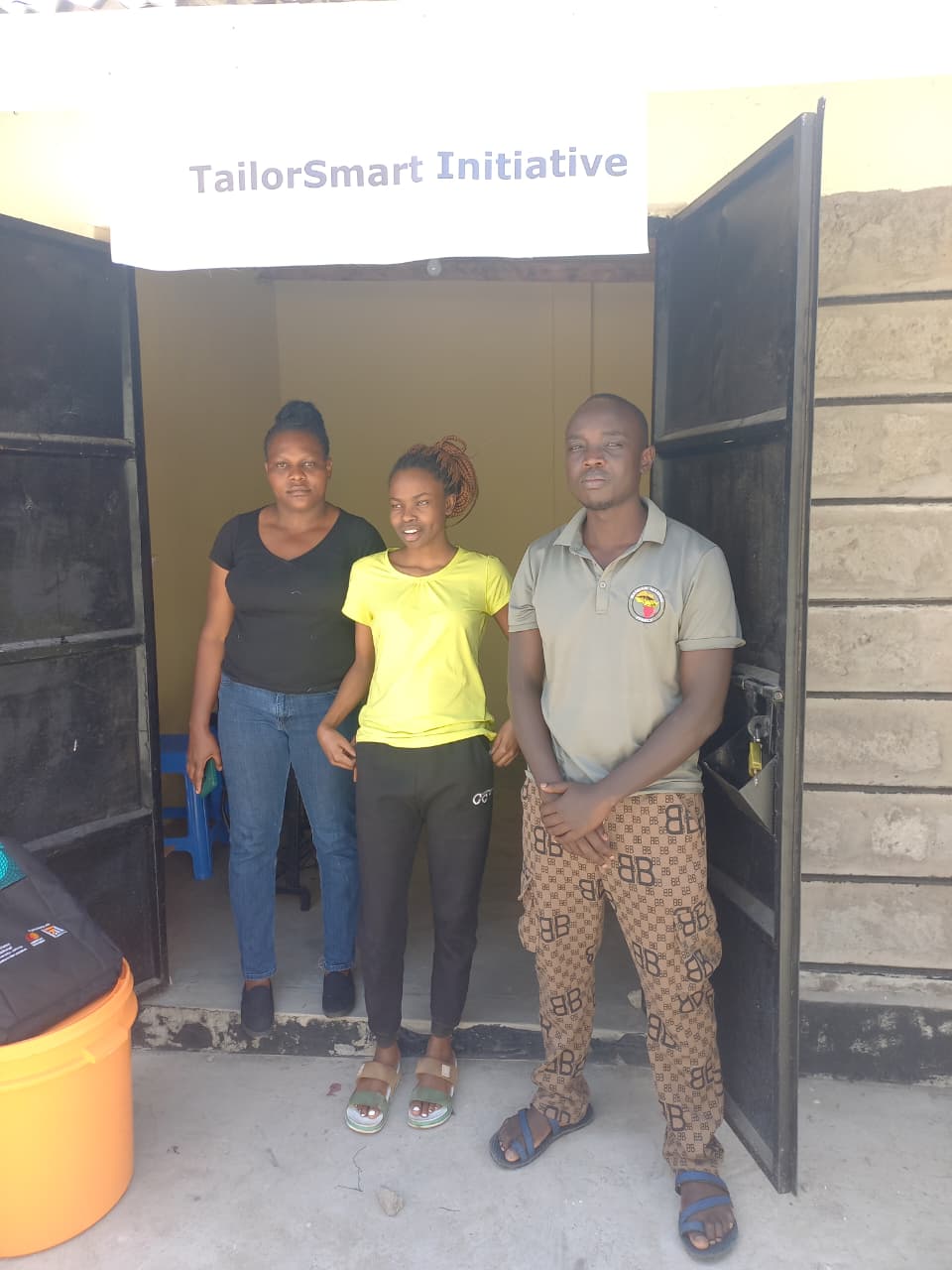
Ongoing Mentorship
Business coaches provide ongoing guidance, helping graduates build networks and scale their enterprises.
See the Change
Witness the people, progress, and possibilities emerging from our first cohort
Challenges & Lessons Learned
Real insights from the TailorSmart implementation in Mukuru Kwa Njenga
Challenges Faced
- • Trainer fees exceeded budget due to extended mentorship hours.
- • Branding costs were higher than expected for professional visibility.
- • Beneficiaries’ domestic responsibilities sometimes conflicted with training schedules.
- • Market access was limited for new tailors competing with established providers.
- • Fabric consumption was higher than planned during practice sessions.
Lessons Learned
- • Budget planning needs contingency for mentorship and branding costs.
- • Early community engagement builds credibility and strengthens recruitment.
- • Structured daily routines ensure consistent skill acquisition and accountability.
- • Monitoring consumables helps control resource use and reduce waste.
- • Linking beneficiaries to local markets and networks is critical for sustainability.
Be Part of This Change
Every contribution funds training, equipment, and ongoing support for the next cohort of women ready to transform their lives.
Support Our ImpactWhat Your Support Provides
- • Training Program — 3 weeks of expert instruction
- • Startup Kit — Sewing machine, tools & materials
- • Business Mentorship — 6 months of ongoing support
- • Market Linkage — Connections to customers